


Sports have always depended on physical ability, preparation, teamwork, and strategy. However, technology has changed how athletes train and how coaches evaluate performance. Modern tools make it easier to understand movement, measure progress, and identify areas that need improvement.
Sports Harmonicode is an emerging term associated with the relationship between sports, technology, performance patterns, and data analysis. Although it does not have a universally accepted scientific definition, it provides an interesting starting point for exploring modern sports innovation.
What Is Sports Harmonicode?
Sports Harmonicode can be understood as a concept connecting athletic performance with movement patterns, statistics, and digital technology. It explores how different elements of sports can be studied together to understand performance more effectively.
These elements may include speed, coordination, positioning, reaction time, and teamwork. By examining such factors, coaches and analysts can gain a broader understanding of athletic performance.
However, Sports Harmonicode is not an officially standardized sports-science methodology or a verified commercial analytics platform.
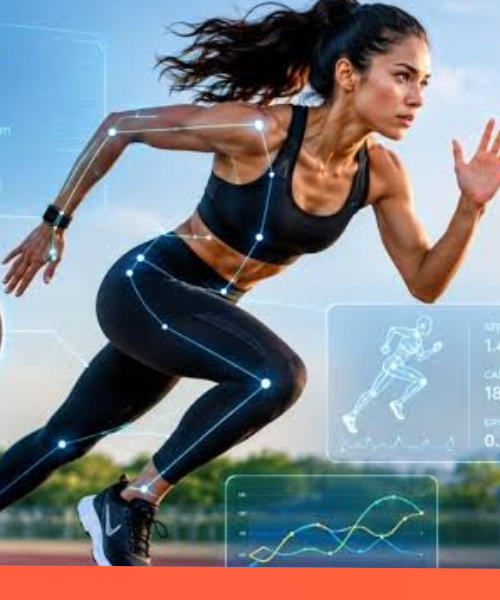
Introduction to Sports Harmonicode
The growing use of technology in professional sports has created new opportunities for athletes, coaches, and sports enthusiasts. Wearable devices, video analysis, and advanced statistics now provide information that traditional observation may overlook.
Sports Harmonicode connects with this wider development by emphasizing the relationship between athletic movements and performance information. Its broader appeal comes from the increasing importance of technology in modern athletics.
How Does Sports Harmonicode Work?
The concept can be understood through established sports-analysis practices. These methods involve collecting performance information, identifying patterns, and using findings to support better training decisions.
Movement Tracking
Movement tracking helps examine how athletes move during training and competition. Cameras and wearable sensors can measure positioning, speed, acceleration, and movement consistency.
Performance Data Collection
Sports technology collects information such as running distance, heart rate, passing accuracy, and training intensity. Organizing these measurements makes it easier to compare performances.
Pattern Analysis
Analysts examine collected information to identify repeated movements and performance trends. These findings can help explain why certain techniques or strategies produce better results.
Training Adjustments
Coaches can use reliable performance information to adjust exercises, improve techniques, and develop more suitable training routines.
Key Features of Sports Harmonicode
Several established technologies are associated with the broader ideas behind Sports Harmonicode.
- Biomechanical analysis: Examines body movement, posture, and athletic technique.
- Artificial intelligence: Helps analyze large amounts of sports information.
- Wearable technology: Measures physical activity and training performance.
- Movement monitoring: Tracks coordination, positioning, and speed.
- Performance analytics: Helps evaluate progress and identify weaknesses.
- Personalized training: Supports adjustments based on individual performance.
These are examples of sports technology applications, not confirmed features of a specific Harmonicode product.
Benefits of Sports Harmonicode
The potential benefits are connected to the practical use of sports analytics and performance-monitoring tools.
Better Athletic Performance
Performance measurements help athletes understand their strengths and weaknesses. Coaches can use this information to identify technical problems and improve training routines.
Improved Training Decisions
Reliable sports data provides additional information for evaluating training intensity, movement patterns, and individual progress.
Personalized Training
Every athlete has different abilities and development needs. Performance analysis can help coaches create training programs that reflect individual requirements.
Better Recovery Monitoring
Wearable devices can monitor certain physical activity and workload indicators. This information may help athletes and coaches plan appropriate recovery periods.
Improved Team Coordination
Sports analytics can reveal patterns involving positioning, passing, defensive organization, and communication. These findings may support better team strategies.
Sports That Can Benefit From Technology
Technology-assisted performance analysis is useful across different sporting disciplines.
- Football: Examines player positioning, running distance, speed, and tactical movements.
- Basketball: Studies shooting accuracy, jumping mechanics, and defensive coordination.
- Baseball: Measures pitching speed, hitting performance, and running ability.
- Tennis: Evaluates serving technique, footwork, and ball placement.
- Cycling: Monitors power output, cadence, and endurance.
- Running: Tracks pace, stride frequency, and acceleration.
These examples demonstrate how established sports technologies can support athletic development.
The Role of Artificial Intelligence
Artificial intelligence is becoming an important part of modern sports analytics. Machine-learning systems can examine large datasets and identify relationships between different performance indicators.
For example, basketball analysts can study shooting patterns, while football teams can examine player positioning and movement. AI-assisted tools can help organize information and identify trends.
However, artificial intelligence does not guarantee accurate results. Human judgment, reliable information, and proper evaluation remain essential.
Sports Harmonicode vs. Traditional Sports Training
Traditional training relies on coaching experience, physical practice, observation, and communication. Technology-assisted training adds measurable information through sensors, statistics, and video analysis.
Both approaches have important advantages. Coaches provide practical knowledge and personal guidance, while digital tools help identify patterns that may otherwise go unnoticed.
Combining these methods can provide a more complete understanding of athletic performance.
Is Sports Harmonicode a Real Sport or Technology?
Sports Harmonicode is not currently established as an officially recognized competitive sport with standardized rules or a governing organization.
There is also insufficient independent evidence to identify it as a widely recognized sports analytics platform. It is more accurately described as an emerging online concept associated with sports performance and technology.
Readers should verify any website or service using this name before assuming it offers scientifically validated features.
Challenges and Limitations
Although sports technology offers useful opportunities, several limitations deserve attention.
- Data accuracy: Incorrect measurements can produce misleading conclusions.
- Equipment costs: Advanced tracking systems may be expensive.
- Privacy concerns: Athlete information requires responsible handling.
- Technical knowledge: Coaches may need training to interpret complex statistics.
- Technology dependence: Digital measurements should not replace professional judgment.
- Limited validation: Sports Harmonicode itself lacks an established scientific definition.
Understanding these limitations helps people evaluate sports technology more responsibly.
The Future of Sports Harmonicode
The future of sports technology may involve more advanced wearable devices, artificial intelligence, motion tracking, and virtual training environments.
These developments could help athletes understand their movements and allow coaches to evaluate performance more efficiently. Affordable digital tools may also make sports analytics accessible to amateur players and smaller organizations.
However, these are possibilities within the wider sports technology industry, not confirmed future developments of a specific Harmonicode platform.
Conclusion
Sports Harmonicode provides an interesting way to explore the growing relationship between athletics and technology. Although the term is not an established sports-science standard, its underlying themes connect with real developments in performance monitoring, biomechanics, and sports analytics.
From wearable devices to artificial intelligence, modern technology continues to change how athletes train and how coaches understand performance. The most effective approach combines reliable data with practical experience, helping people appreciate sports beyond the final score.
Must Read: Isla Amelia Gates: A Closer Look at Josh Gates’ Family and Personal Life
FAQs
What is Sports Harmonicode?
Sports Harmonicode is an emerging term associated with the use of sports technology, movement analysis, and performance data. It describes the general idea of understanding athletic performance through patterns, measurements, and technology.
Is Sports Harmonicode a real sport?
No. Sports Harmonicode is not recognized as an official sport or established athletic competition. It is better understood as a concept connected to sports science and technology.
What are the main benefits of Sports Harmonicode?
Its potential benefits include better performance tracking, more informed training decisions, movement analysis, and identifying areas where athletes can improve. These benefits depend on the actual tools and methods being used.
How does technology support Sports Harmonicode?
Technology such as wearable sensors, video analysis, artificial intelligence, and performance-tracking systems can collect and interpret athletic data. Coaches and athletes can use this information to review movement and adjust training.
Can beginners benefit from Sports Harmonicode?
Yes. Beginners may benefit from basic performance tracking and movement feedback. However, they do not need expensive technology to improve; consistent practice, proper coaching, rest, and good technique remain essential.